




When encountering a robot dog in the park, your first reaction may be: This is too cool!
But in the park scenes of Beijing, robotic dogs are not just a "technological sense of responsibility" that attracts the camera. It can also carry instruments into the forest to help researchers observe forest structure and record animal behavior, becoming a "mobile observer" in the smart park.
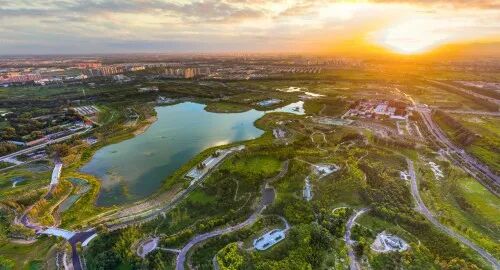
Recently, Beijing Daxing Nanhaizi Park held a science popularization event with high technological content. At the event site, biological observation robot dogs patrol flexibly in the forest. At present, the Olympic Forest Park has tested biological observation robot dogs to assist researchers in understanding forest ecology and forest structure. It should be noted that this type of robotic dog is still in the research stage. It is not replacing researchers, but bringing sensors to more locations to make ecological observations more flexible and precise.
How dense is the forest? How much carbon dioxide can be absorbed? How much ecological benefits can it bring in terms of cooling and humidification? These issues cannot be judged solely by the naked eye.
Zhou Weiqi, executive deputy director of the National Key Laboratory of Regional and Urban Ecological Security of the Chinese Academy of Sciences, said that one of the tasks of robot dogs is to help researchers understand the forest structure. It can carry a leaf area index meter on its back, cruise automatically in the forest, avoid obstacles automatically, monitor automatically, and finally return to charge itself.
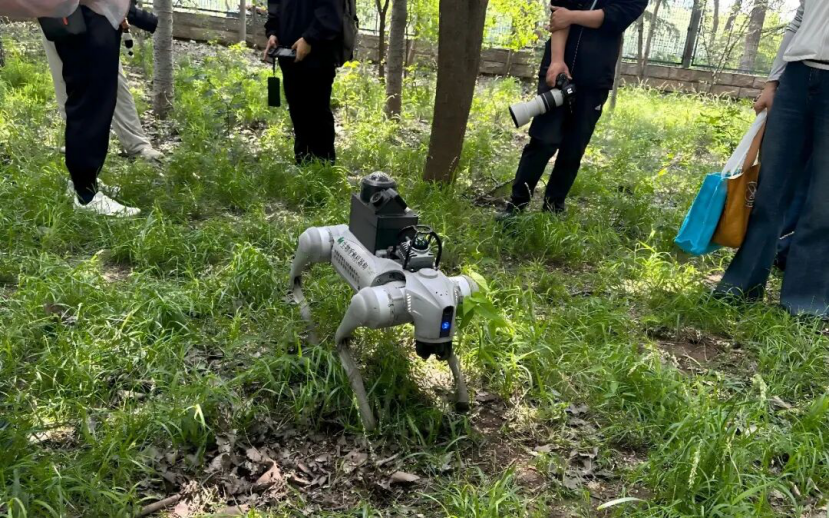
What is Leaf Area Index? It can be simply understood as: what is the approximate total area of leaves above 1 square meter of ground. The more leaves there are, the denser the canopy often becomes, and the ecological functions such as shading, cooling, and carbon sequestration may also be stronger.
In the past, if the instrument was only placed at one point for measurement, the error could be relatively large. Because in some parts of the forest, the canopy is very dense and the sunlight cannot shine down; In some places, the branches and leaves are sparse, and the ground is very bright. The advantage of robotic dogs is that they can carry instruments for mobile measurement. With more samples, researchers can make more accurate judgments about forests.
Another task of the robotic dog is to track and shoot, acting as an "observer" who does not disturb the animals.
It can be equipped with a video tracking system to learn the image features of the target animal and track and shoot at an appropriate distance. For example, in large-scale animal research, researchers hope to observe how animals move, feed, and interact with their environment, but they do not want humans to get too close or disturb them.
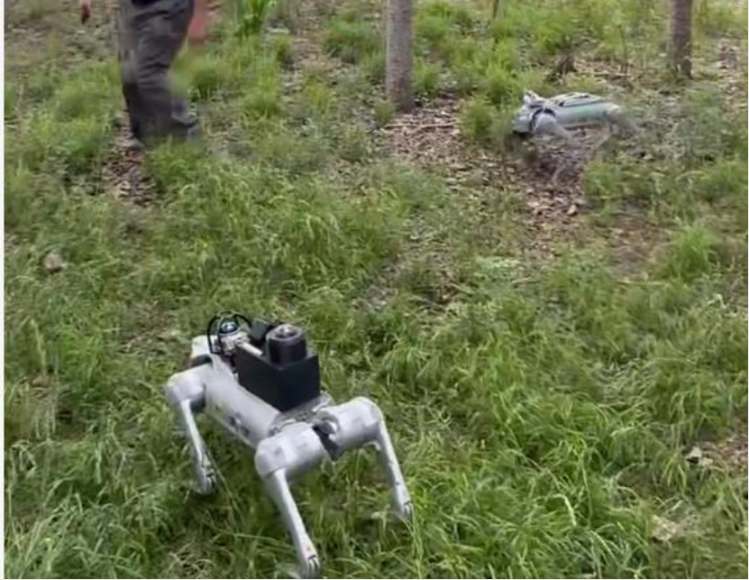
At this point, robotic dogs can replace humans, maintain a certain distance, and continuously record animal behavior information.
What's even more interesting is that the robot dog is still an open platform. As long as the instrument can be miniaturized and the robotic dog can carry it, many devices can be integrated onto it. In addition to the leaf area index meter, it can also carry 3D radar, infrared thermometer, high-definition camera, and even more sensors.
For smart parks, this means that ecological monitoring is no longer just about fixed equipment "standing guard", but can also be carried out by mobile platforms in forest and other scenes to supplement more observation data.
This event is held in Nanhaizi Park, and when it comes to Nanhaizi, elk and geese are the stars that cannot be avoided.
According to Zhang Yuanyuan, an associate researcher at the Beijing Elk Ecological Experiment Center, the Elk Center has established the "Shenlu No.1" gene bank to create a "life bank" for the deer. Researchers have utilized ultra-low temperature technology to systematically preserve biological samples such as tissues, blood, and cells. Currently, four species of deer and over 4300 genetic materials have been preserved, providing strategic reserves for future population crises.
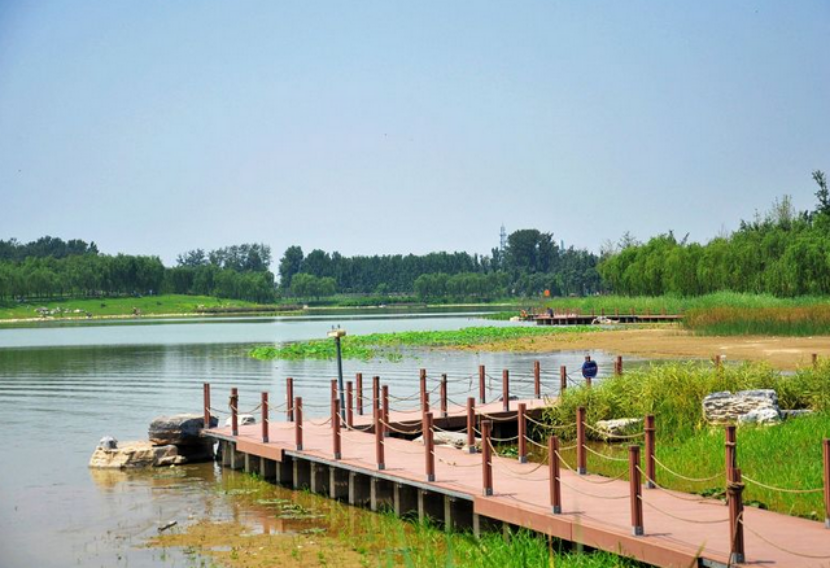
At the same time, the Deer Center has also established a dedicated microbial strain library for deer, screening out 26 beneficial probiotics for intestinal health, and maintaining deer health from the perspective of "host microbe" symbiosis.
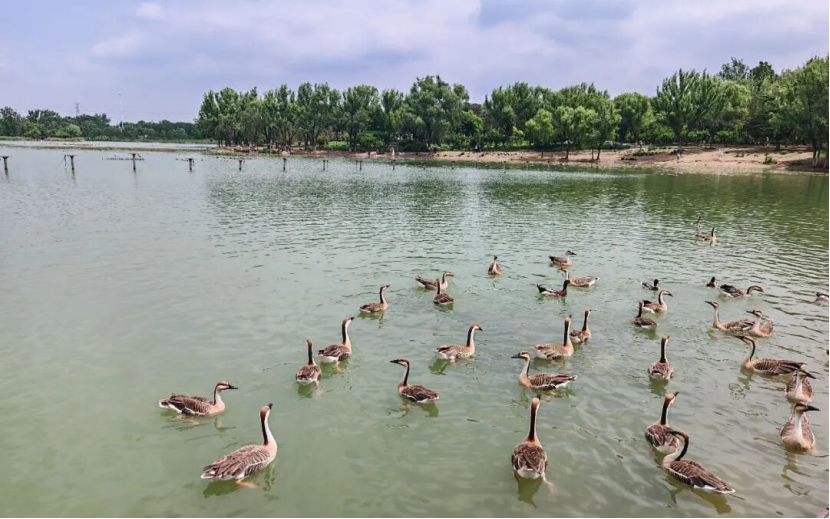
The geese in Nanhaizi Park are also very special. The wild goose is a national second-class protected animal. The person in charge of Nanhaizi Park introduced that the number of geese in the park reached a historical peak last year, with about 750 flying south from the park to winter in late autumn. The park creates an environment suitable for wetland birds to inhabit, and the wild grass and tender shoots along the shore have also become their food.
From robotic dogs to gene banks, from leaf area indices to the habitat of geese, these seemingly "professional" contents actually point to the same thing: understanding and protecting nature in a more scientific way.
For ordinary citizens, smart parks are not just about electronic screens, robots, and new devices. It is more like a quiet operating observation system: helping us better understand forest structure, animal behavior, and park ecological functions.
If you see robot dogs in park science popularization activities or scientific research scenes in the future, don't just think of them as "walking robots". It may be helping researchers collect the secrets of a forest or recording the life trajectory of an animal.
Technology doesn't necessarily disturb nature. Used well, it can also become a gentle guardian of nature.
Article and image sources: Capital Smart Garden, New Beijing News
END
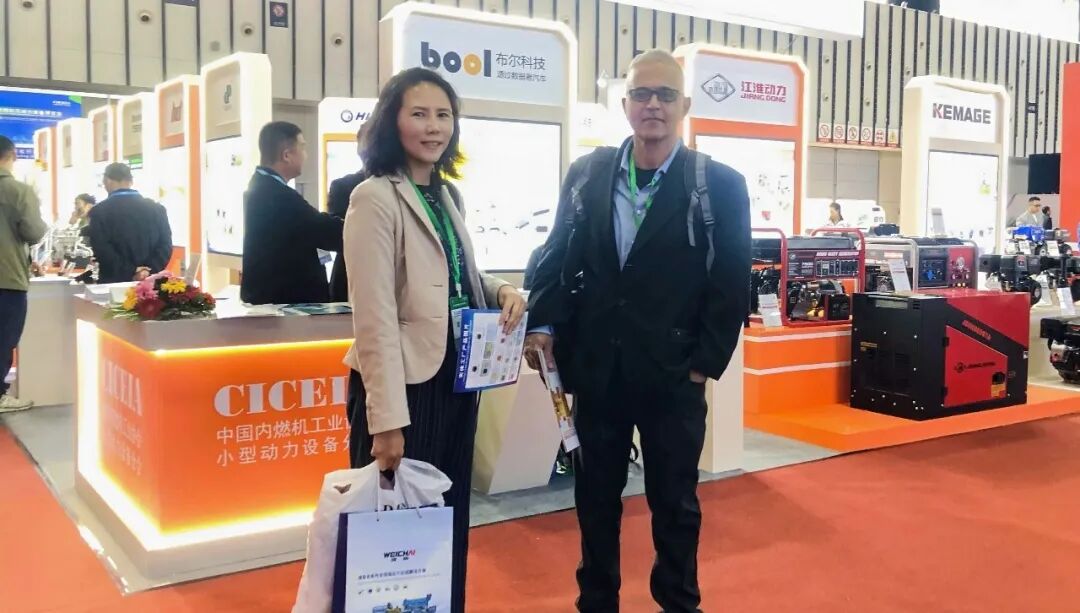
★ The exhibition follows an international and professional route, with the mission of promoting industrial upgrading and innovation. It adheres to the concept of "one-stop centralized procurement", closely follows market trends, finely plans exhibition areas, deeply excavates industry buyer resources, strengthens the diversified interactive mode of "exhibition+performance+trade+experience", accurately connects projects and improves service quality, and builds a world-class communication and cooperation bridge for the landscaping industry and outdoor power equipment field, helping the industry to reach new heights.
★ GFI+EXPO will continue to lead the development of Asian industries, with exhibits covering twelve major fields, showcasing the industry's style and technological strength in all aspects. It is an important international platform that integrates technological innovation, new product launches, trade cooperation, and academic exchanges.
★ We invite you to meet at the Nanjing International Expo Center from November 11th to 13th, 2026, to attend the industry's grand event, experience industry changes firsthand, communicate face-to-face with industry leaders, gain exclusive business insights, expand international perspectives, seize market opportunities, cooperate with industry elites for win-win results, and jointly promote innovative development in the field of landscaping and outdoor power equipment.


Scan the code to reserve a booth

Scan the code to visit for free